FIELD ACTIVITIES& CAPACITY BUILDING
Training Programs, Site Visits & Environmental Initiatives
DSS STAFF VISIT TO DENMARK
Dr. Akash Tiwari, Research Associate (DSS), attended an international training programme on Innovation Management held in Copenhagen, Denmark. The programme was centered on the ISO 56000 series of standards, which provide a structured framework for establishing, implementing, assessing, and continuously improving innovation management systems at both organizational and project levels.
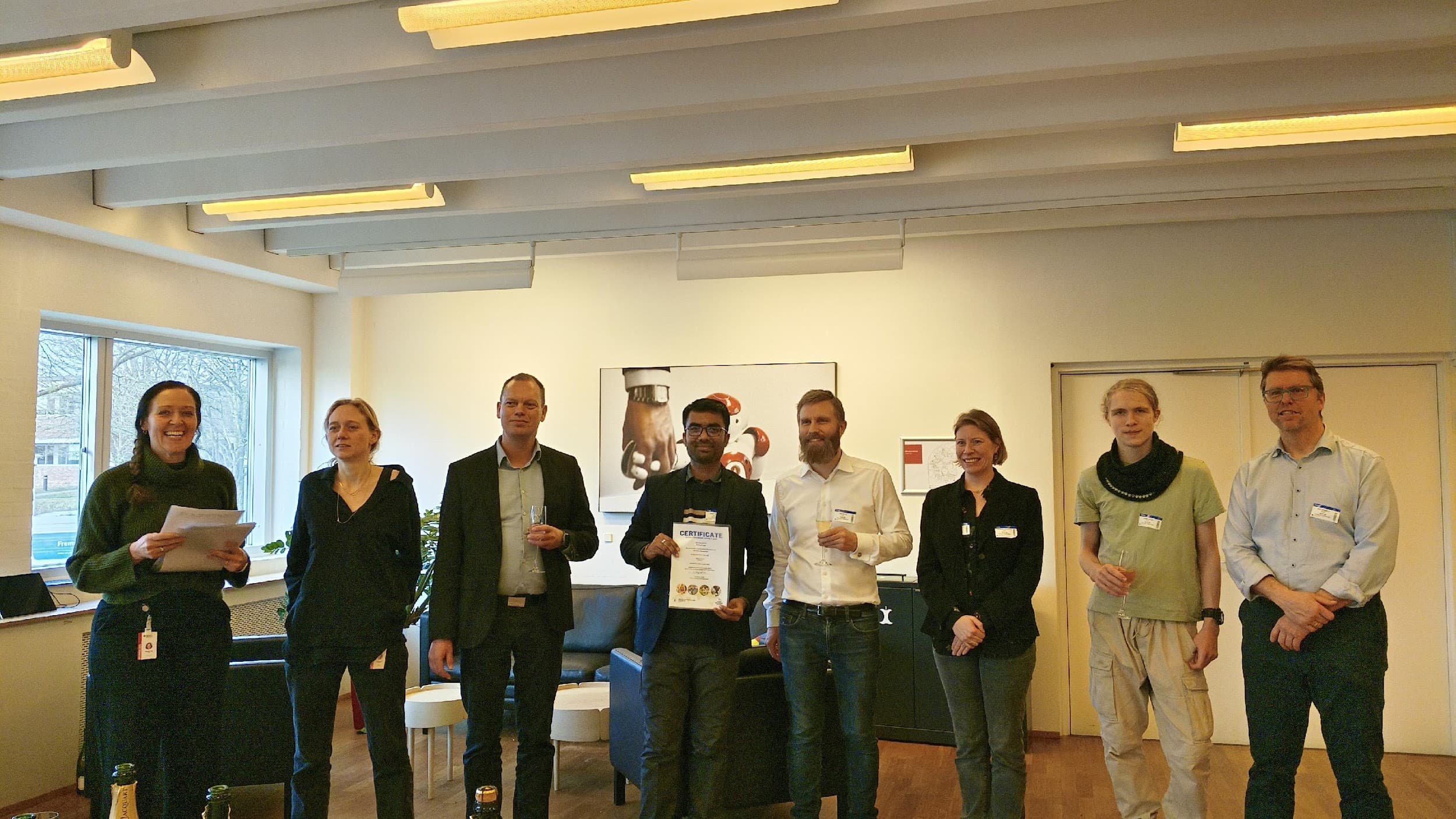
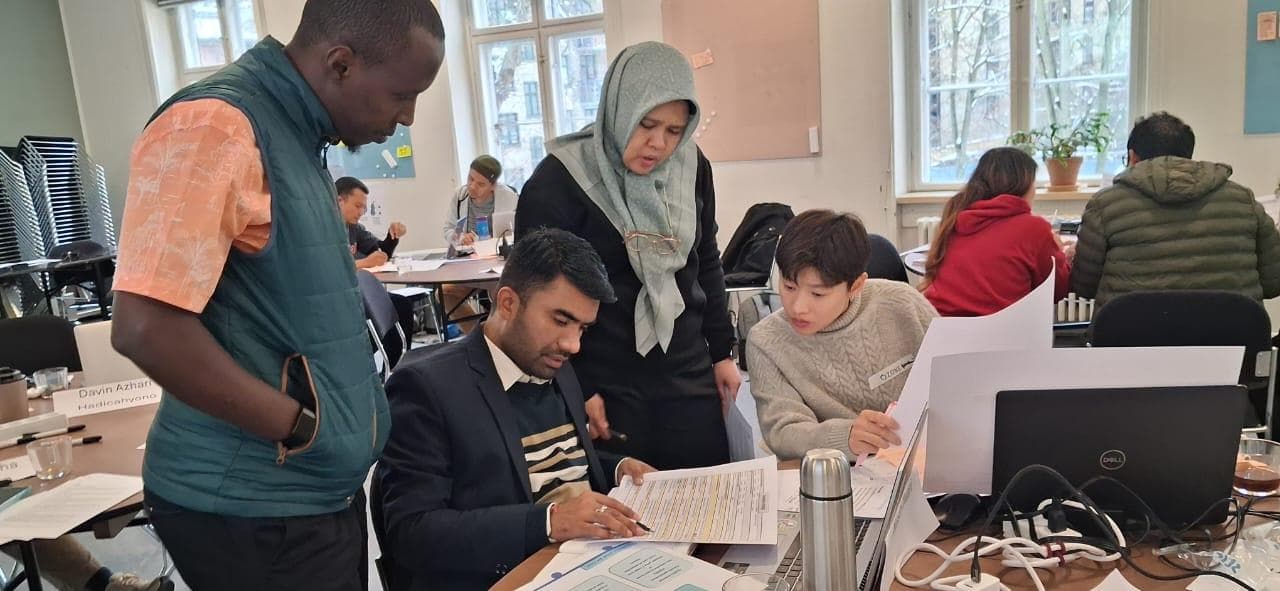
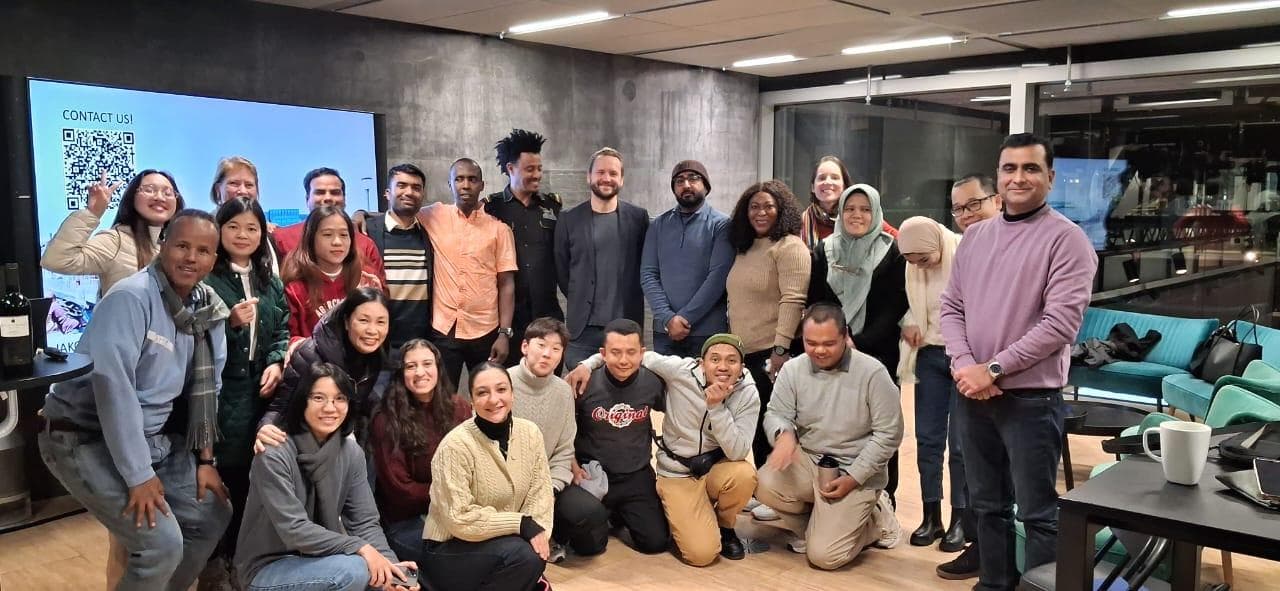
The knowledge and skills gained through this programme directly contribute to the objectives of the Smart Laboratory on Clean Rivers (SLCR) and the Decision Support System (DSS) for Water Resource Management, supporting effective design, implementation, and scaling of data-driven solutions.
STP VISITS
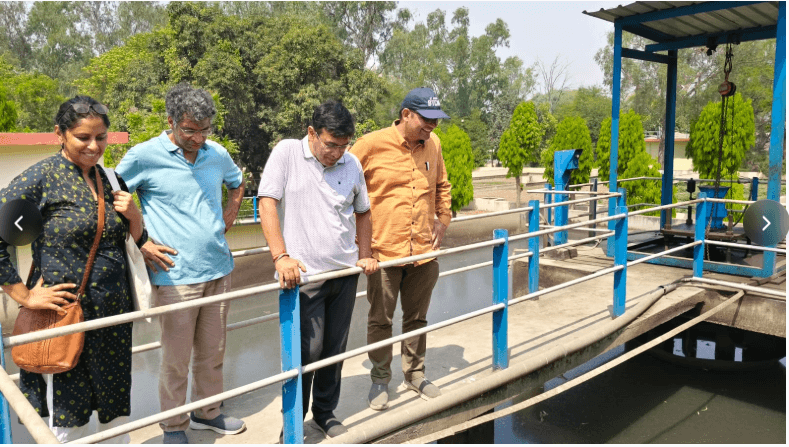
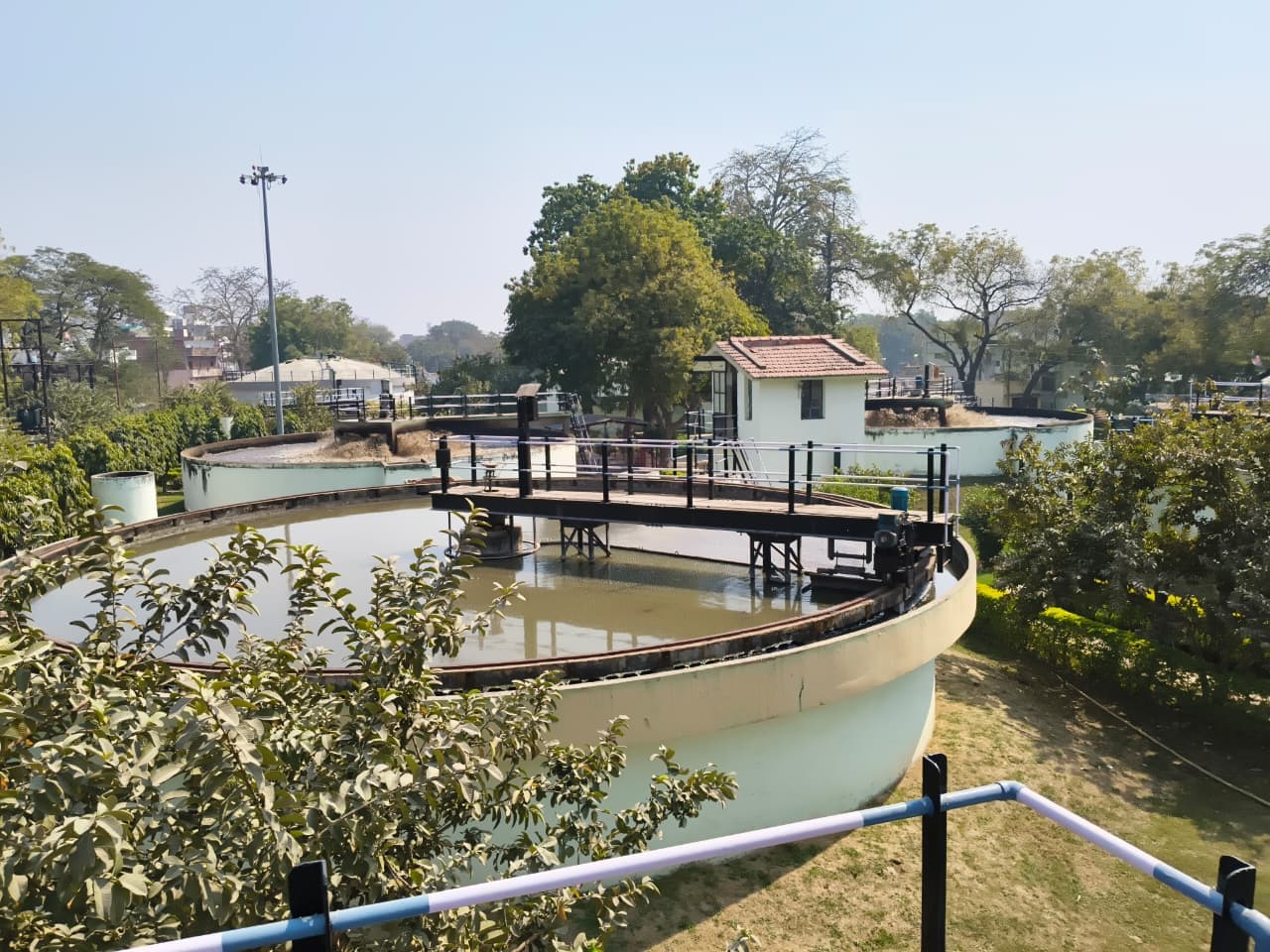
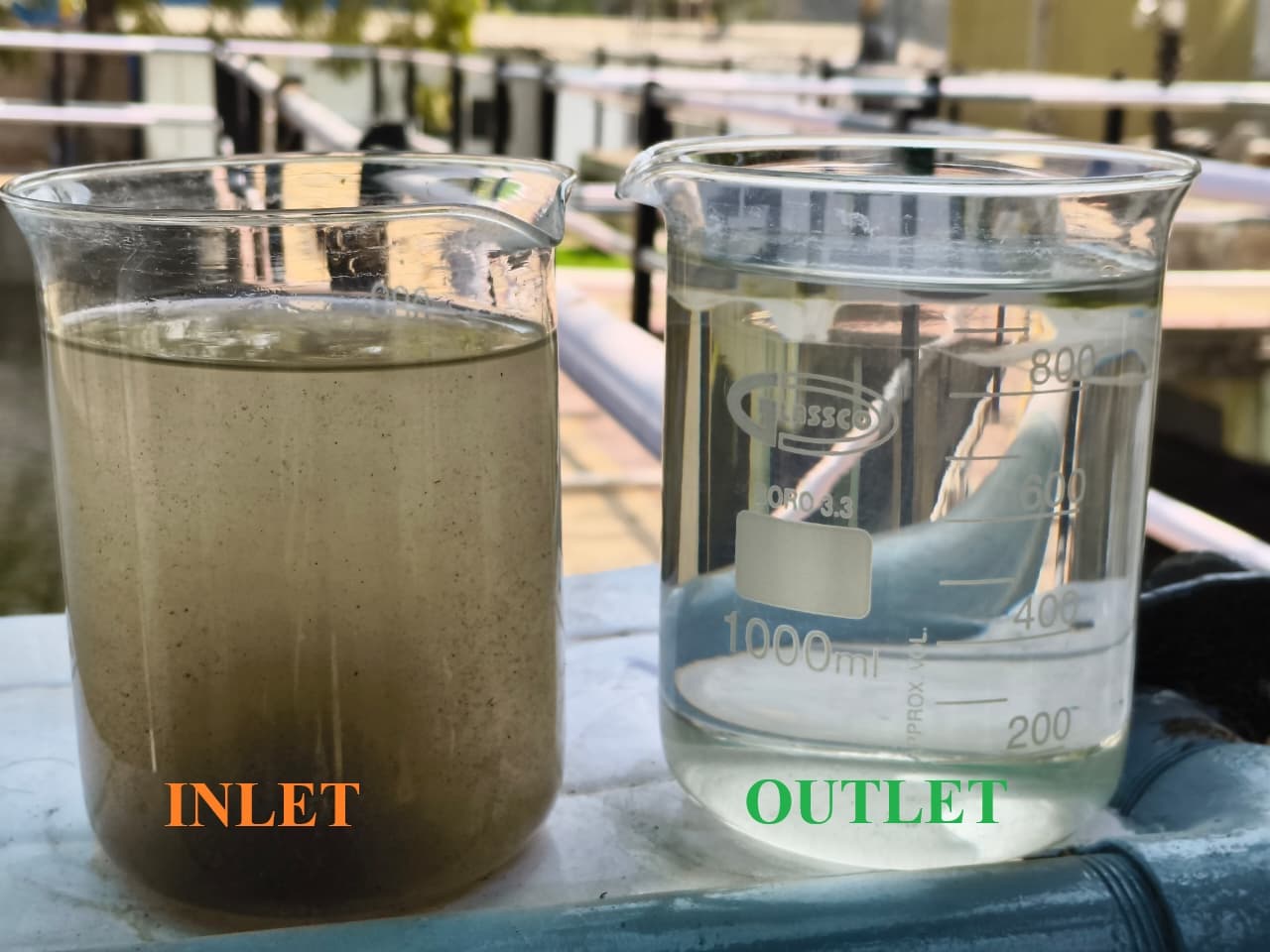
The DSS team conducted comprehensive site visits to multiple Sewage Treatment Plants in Varanasi to assess operational parameters, treatment efficiency, and infrastructure. On 17th February 2025, the team visited Bhagwanpur STP (8 MLD capacity) for water quality management assessment and DSS integration evaluation. Subsequently, on 7th April 2025, a collaborative visit to BLW STP (12 MLD capacity) was conducted with the system dynamics team to evaluate treatment processes, model integration opportunities, and data collection protocols for enhanced decision support.
WORLD ENVIRONMENT DAY CELEBRATION
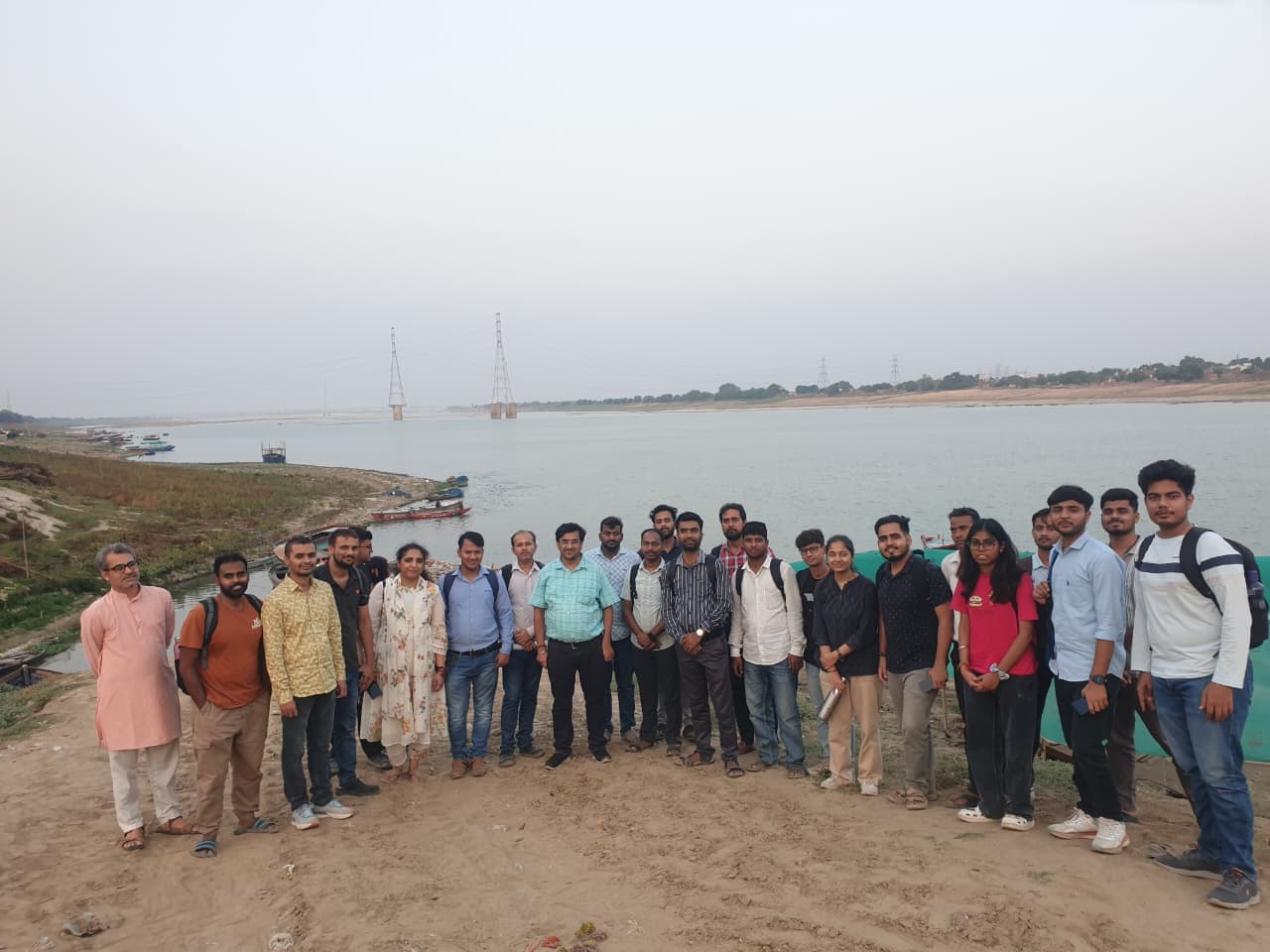
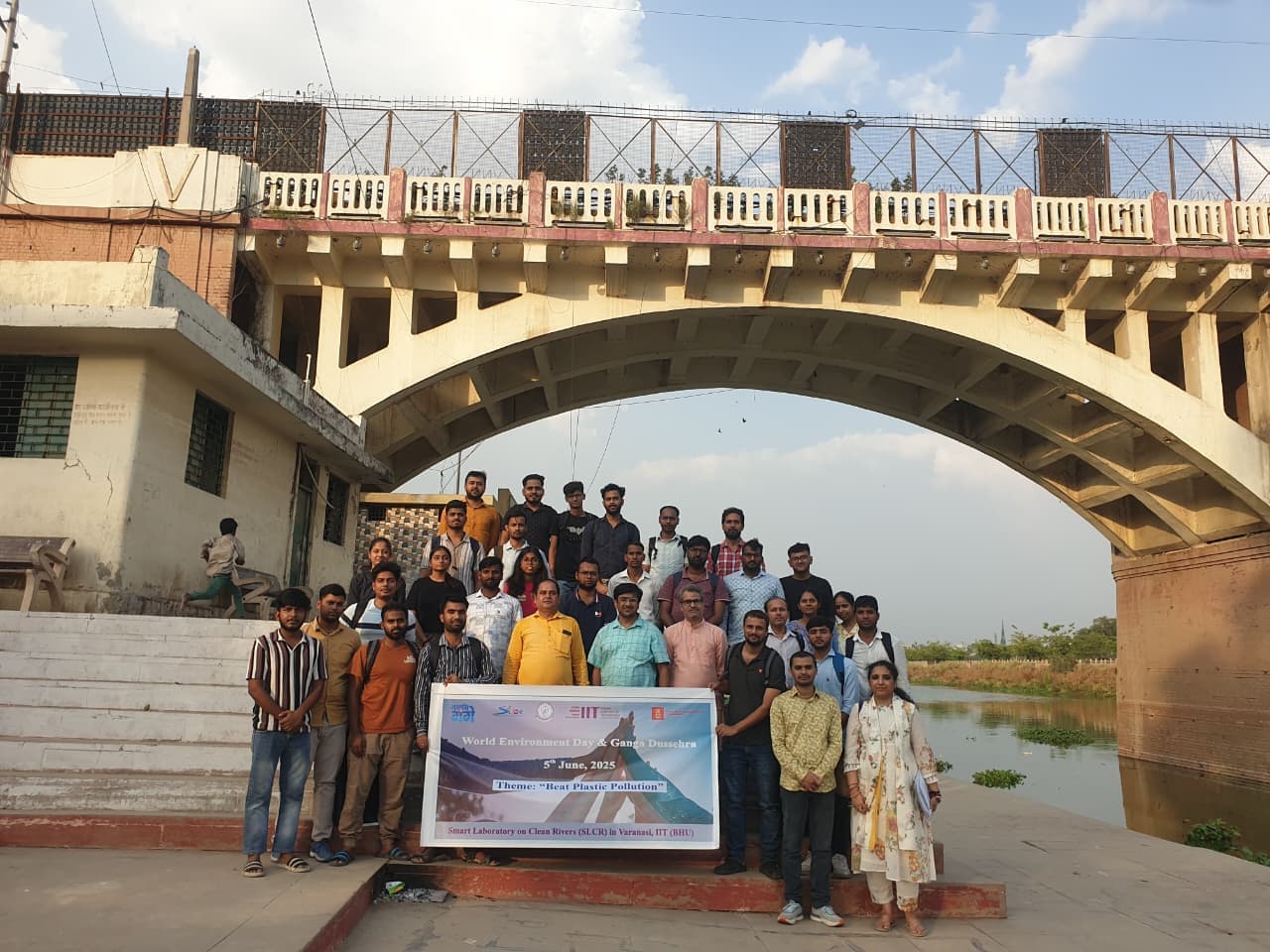
On the occasion of World Environment Day, the DSS team visited Varuna Bridge and Adikeshav Ghat and collectively took an oath to combat plastic pollution and promote environmental responsibility, reinforcing the commitment to sustainable river management and community engagement.
INTEGRATED CAPACITY BUILDING & FIELD ENGAGEMENT
Through international training programs, on-ground site assessments, and community-driven environmental initiatives, the DSS team continuously strengthens technical expertise, operational understanding, and stakeholder collaboration. These activities ensure that the Decision Support System remains responsive, evidence-based, and aligned with sustainable water resource management goals.